
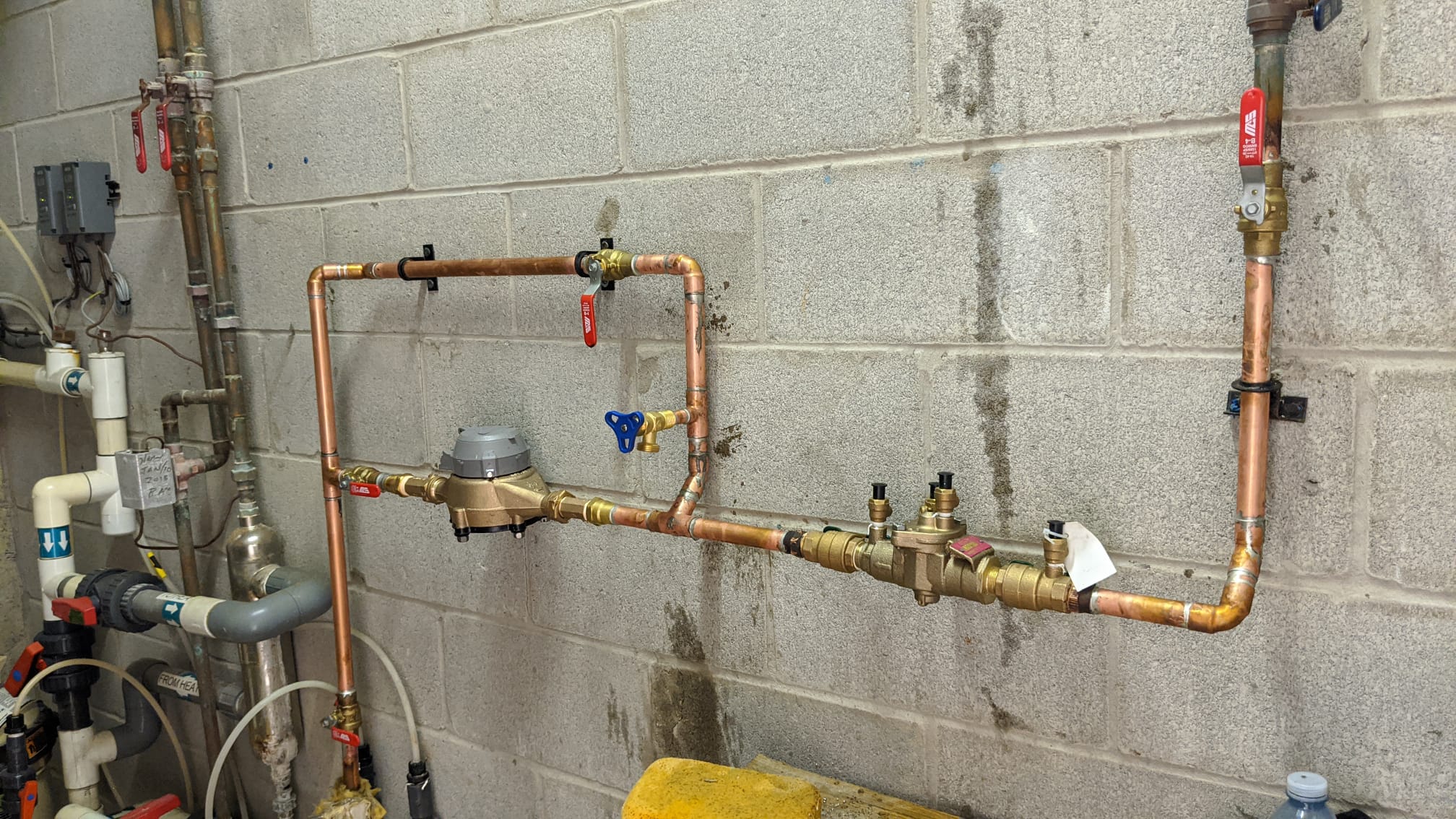
Waterproof Basement
Waterproofing your basement is crucial to protect your home from moisture-related problems like mold, mildew, and structural damage. A properly waterproofed basement not only prevents these issues but also improves your home's overall value and longevity. Here, we’ll guide you through proven methods to waterproof your basement effectively and explain the importance of regular maintenance.
Why Waterproofing Your Basement Matters
Waterproofing your basement helps shield it from water infiltration, mold growth, and musty odors, preserving the structure and safety of your home. If left untreated, even small amounts of moisture can lead to costly repairs, health concerns, and diminished property value. A dry, well-maintained basement is not only an asset but also adds usable space to your home, which is especially valuable in damp climates or areas prone to heavy rainfall.
Causes of Basement Water Issues
Surface Water Infiltration
Surface water from rain or melting snow often leads to water pooling around your home’s foundation. This water can eventually find its way inside the basement if the ground around your home is not properly graded or if downspouts are not directed away from the foundation.
Hydrostatic Pressure
Hydrostatic pressure occurs when water in the soil presses against your basement walls and floor, potentially causing cracks or leaks over time. This pressure often increases after heavy rain or during high water table seasons, leading to gradual infiltration if the basement is not sealed adequately.
Condensation
In some cases, the moisture problem in your basement may stem from internal condensation rather than external water infiltration. Condensation forms when warm indoor air meets cold basement surfaces, leading to dampness on walls and floors, which may be mistaken for leaks.
Effective Basement Waterproofing Methods
Exterior Waterproofing Solutions
Protecting your basement from the outside is one of the most effective ways to prevent water from entering. These methods target water before it reaches your foundation, keeping your basement dry.
Apply Exterior Wall Coatings
Applying a waterproof membrane or polymer coating to your exterior walls is a highly effective barrier against moisture. These coatings adhere tightly to the walls and repel water, making it difficult for moisture to penetrate.
Install Exterior Drainage Systems
An exterior French drain, placed around the perimeter of your foundation, directs water away from the basement. This drainage system prevents water from accumulating near your foundation and helps avoid hydrostatic pressure from building up against basement walls.
Proper Landscape Grading
Adjusting the slope of the ground around your home ensures that water flows away from the foundation instead of pooling around it. A slight slope directs rainwater downhill, minimizing the chances of basement infiltration.
Use Waterproof Sealants and Membranes
Sealants designed for exterior use add an extra layer of defense against water penetration. Combining sealants with membranes provides added durability, especially useful in areas prone to heavy rains or persistent ground moisture.
Interior Waterproofing Techniques
Interior waterproofing focuses on preventing water from affecting your basement once it has entered or ensuring effective moisture control within the basement.
Interior Drainage System Installation
Installing an interior drainage system, such as a French drain along the interior perimeter, captures any water that seeps in and directs it to a sump pump. This system is particularly effective for basements in areas with high water tables.
Vapor Barrier Application
Installing a vapor barrier on the basement walls and floors prevents moisture from passing through surfaces, reducing the chance of mold and mildew. Vapor barriers are especially helpful in combating condensation-related issues.
Wall and Floor Sealants
Specialized waterproof sealants can be applied to walls and floors, creating a barrier that blocks moisture from seeping through small cracks. These sealants are typically used in combination with other waterproofing measures to improve effectiveness.
Dehumidifiers for Moisture Control
Controlling indoor humidity levels with a dehumidifier can keep condensation at bay and prevent musty odors. This is especially useful if the basement has minimal ventilation or is prone to dampness during humid months.
FAQs
How often should I inspect my basement for waterproofing needs?
Regular inspections every six months can help identify early signs of moisture or water entry, allowing you to address issues before they escalate.
Can I waterproof my basement without professional help?
Some DIY waterproofing methods, such as applying interior sealants and using a dehumidifier, are manageable for homeowners. However, exterior waterproofing and drainage installations often require professional expertise to ensure lasting results.
Is waterproofing necessary for basements in dry areas?
Even in dry climates, waterproofing is beneficial because it helps prevent moisture buildup from occasional rainfall, condensation, or plumbing issues, which can still damage the basement over time.
What is the best time of year to waterproof a basement?
Spring and summer are ideal seasons for waterproofing, as warmer and drier conditions improve the effectiveness of sealants and allow exterior installations without weather delays.
How long does basement waterproofing last?
When done correctly and maintained, waterproofing systems like exterior coatings and drainage can last 10 to 20 years or more. Regular maintenance ensures these methods remain effective.
Final Thoughts
Investing in waterproofing for your basement is essential for maintaining a dry, safe, and comfortable space. By combining both exterior and interior methods, you can create a comprehensive barrier against water infiltration and reduce the risks of moisture-related issues. Regular maintenance, such as inspecting for cracks and controlling indoor humidity, complements your waterproofing efforts and ensures lasting protection.